Biodiversity in the Marina is Growing
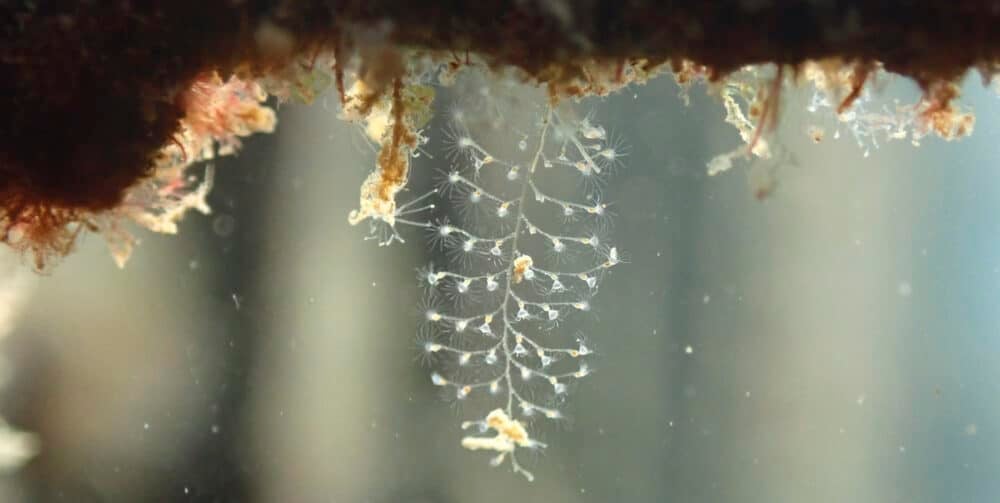
Biodiversity in the marina of Club Nàutic L’Escala continues to grow, as confirmed by the latest monitoring report from February 2026. Since 2022, the Club has been working with Ocean Ecostructures to install Life‑Boosting Units (LBUs) beneath the pontoons—small ecological structures that create micro‑habitats where algae, invertebrates and fish can settle, grow and feed.
Unlike conventional artificial marina surfaces, LBUs promote much richer and more diverse recolonisation, making it possible to study how the ecosystem evolves within an active port environment.
According to the February report, the LBUs show:
- 37 species identified, compared to 23 on control surfaces → +61% biodiversity.
- 32 kg of biomass, compared to 21 kg on control surfaces → +57%.
- 14 kg of CO₂ captured, compared to 9 kg on control surfaces → +57% capture capacity.
- 0 invasive species detected, both on LBUs and control surfaces.
These results confirm that LBUs are creating a much more favourable environment for marine life and are helping to improve the marina’s ecological quality.
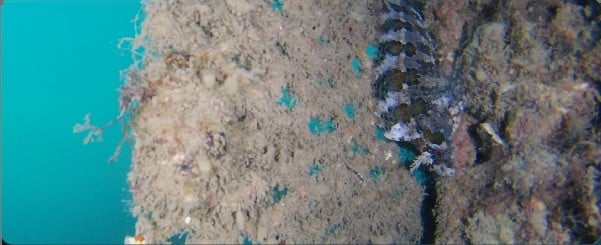
The organisms observed include a higher proportion of phototrophs (algae), which generate biomass and create habitat, as well as suspension feeders, which filter the water and stabilise the substrate. This functional combination indicates that the marina is developing an ecological structure increasingly similar to that of a well‑established natural environment.
Fish have also been observed using the LBUs as shelter, with sizes ranging from 12 to 14 cm, suggesting that these structures function effectively as micro‑habitats.
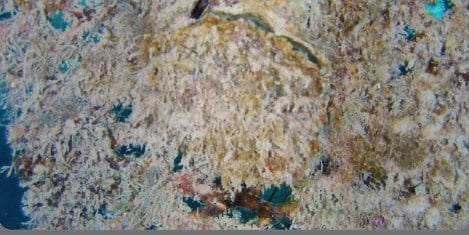
Discover the Life Growing Beneath the Marina
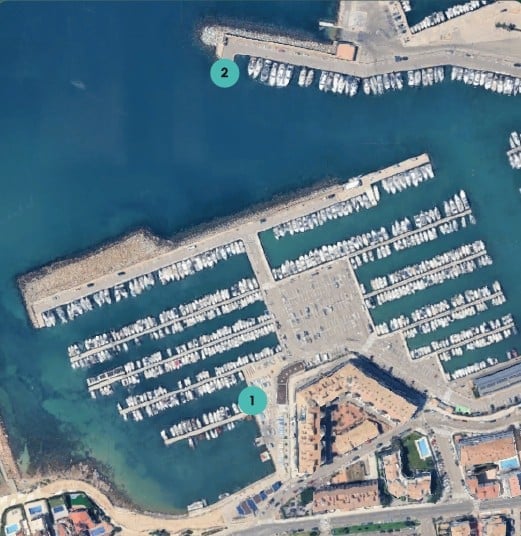
The image highlights the Life‑Boosting Units (LBUs) installed beneath several pontoons. According to the February 2026 monitoring report, these areas concentrate a significant share of the marina’s biodiversity growth, with 61% more species, 57% higher biomass and no invasive species detected.
These structures foster the establishment of algae, invertebrates and small fish, contributing to a more vibrant, resilient and balanced ecosystem. Understanding their location helps explain how marine life is distributed within the marina and how an environment combining nautical activity and environmental function continues to evolve.
Find out more about the Club’s commitment to quality and environmental management in the Responsible Marina section.




Advertising: